How to Eat for Muscle Gain Without Getting Fat
KnightOwl
3 min read

This post contains affiliate links. If you make a purchase through these links, we may earn a commission at no extra cost to you. We only recommend products and resources we trust to help you reach your goals.
The "Dirty Bulk" is a rite of passage for many lifters. You eat everything in sight—pizza, burgers, ice cream—in the name of "gains," only to wake up three months later realizing you put on 5 pounds of muscle and 15 pounds of fat. Then comes the miserable dieting phase to burn it all off.
It doesn’t have to be this way. You can build significant muscle mass while staying relatively lean. It requires precision, not gluttony. It’s called "Lean Bulking," and here is exactly how to do it.
1. Find Your "Surplus Sweet Spot"
To build muscle, you need energy. But you don't need that much. The body has a limit on how much muscle it can synthesize in a day. Any excess calories beyond that limit are stored as body fat.
The Strategy: Aim for a slight caloric surplus of 200–300 calories above your maintenance level. This provides enough fuel for growth without the spillover into fat storage.
The Tools: You cannot manage what you don’t measure. If you are "eyeballing" your portions, you are likely overeating. Precision is your best friend here.
This digital food scale is essential for tracking your exact intake.
Use these high-quality meal prep containers to portion out your week.
2. Quality Over Quantity
A calorie is a calorie for energy, but not for body composition. 500 calories of chicken and rice affects your insulin levels and recovery very differently than 500 calories of sugary cereal.
If you are addicted to sugar, your insulin sensitivity drops, making it easier for your body to store fat rather than build muscle.
Struggling with the sweet stuff? Sugar Detox: 7 Days to Crush Your Cravings.
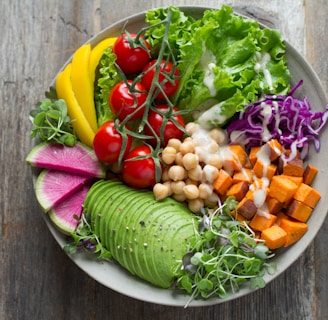
You also need adequate protein to repair tissue. If you are tired of the same old chicken breast, you can get massive amounts of protein from plant sources without the extra saturated fat.
3. Time Your Nutrients
When you eat matters almost as much as what you eat. To prevent fat gain, structure your highest carbohydrate meals around your workout window. This ensures the energy is used for performance and recovery, rather than sitting in your stomach while you sleep.
Fueling correctly prevents fat gain: Pre-Workout Nutrition: What to Eat Before Different Workouts.
Don't forget the post-workout recovery. You need a convenient way to get nutrients in fast.
4. Train for Hypertrophy, Not Just Calories
You can eat the perfect diet, but if your training stimulus isn't strong enough, that extra food will just turn to fluff. You need to give your body a reason to use those calories for muscle tissue.
If you are lifting light weights and not challenging yourself, a surplus will just make you heavy. You need progressive overload.
Get on a serious program: The 90-Day Strength Surge: How to Add 50 Pounds to Your Bench Press.
5. Monitor and Adjust
The scale should move up slowly. If you gain 2 pounds in a week, that’s water or fat, not muscle. If the scale isn't moving at all, you aren't eating enough.
Are you training hard and eating right but still look the same? You might have hit a metabolic or training plateau.
Troubleshoot your progress here: Hitting the Wall: Why You're Not Seeing Results and How to Finally Break Through.
The Bottom Line
Building muscle without getting fat is a game of patience. Eat slightly more than you need, train harder than you did last week, and measure everything. It takes longer than a dirty bulk, but you'll look good the whole time—and you won't have to spend months dieting it off later.